Why Careful Trailer Hire Choices Protect Your Business First
If you run a small- or medium-sized business in Cape Town, you probably feel how fast things move. One week is calm, the next week you are juggling extra deliveries, pop-up events, new stock, or a busy build on site. That is often when a trailer suddenly moves from a nice-to-have to a must-have.
Many SMEs turn to commercial trailer hire in Cape Town when they need short-term transport for equipment, retail stock, catering gear, or event set-ups. It is flexible, it saves space in the yard, and it lets you boost capacity in busy periods, like when spring brings fresh projects and clear outs.
But signing a rental agreement without really reading it can put your business at risk. If the trailer is not compliant, if insurance is unclear, or if the contract hides extra responsibilities, you may face costs and stress you did not plan for.
We want to walk through the key checks that help keep your team, your clients, and your cash flow safer before you tow anything.
Compliance Checks Every SME Must Tick Off Before Towing
Before you hook up a trailer, you need to know that the unit and your vehicle are legal on South African roads.
First, roadworthiness and licensing matter. The trailer should be licensed, roadworthy, and correctly plated for its weight and load. Ask to see:
- A valid licence disc
- Proof of roadworthy where it applies
- The Gross Vehicle Mass (GVM) on the data plate
That GVM tells you the legal maximum the trailer may weigh when fully loaded.
Next, think about load limits, weight distribution, and towing capacity. Overloading a trailer can damage your vehicle, strain brakes, and make the whole rig unstable, especially when Cape Town sends a wet or windy day your way. Take time to:
- Check the trailer’s rated carrying capacity
- Compare it with what you plan to move, like stock, gear, or building materials
- Confirm your company vehicle’s towing limit in its manual or with your insurer
Keep heavy items low and balanced over the axle, with weight spread evenly from side to side. A poorly loaded trailer can sway or push the towing vehicle when you brake.
Driver competence is just as important. Different trailer sizes and weights require different licence codes. If a staff member tows a trailer they are not licensed for, you risk fines, problems with insurance, and real safety concerns. Always:
- Confirm which licence code is needed for the specific trailer
- Check that the driver holds that licence
- Ask the hire company what guidance they can give on loading and safe towing
A short chat at collection time about safe speeds, braking space, and cornering can prevent trouble on the road.
Insurance Gaps That Could Cost Your Business Thousands
When you arrange commercial trailer hire in Cape Town, insurance is often the dull part of the chat, but skipping it can hurt you later.
Start with who insures what. In many cases, your business policy covers your vehicle. The trailer itself may be insured by the hire company, or it may not be covered at all. Always ask for written confirmation of:
- Whether the trailer has comprehensive cover
- What excess will apply if there is a claim
- Any limits on where or how the trailer may be used
Then think about what is inside the trailer. Goods, tools, or stock in transit are often not covered by standard trailer insurance. That surprise can be painful if valuable items are damaged or stolen. It is worth checking your business policy for goods in transit cover, especially if you move high-value or sensitive equipment.
Weather and road conditions add another layer. Spring in Cape Town can bring fast-changing skies, sudden showers, and slippery roads. That can increase the risk of skids, bumps, or water damage. Before you sign, ask the hire company to explain:
- What happens if the trailer is damaged in bad weather
- How theft or vandalism is handled
- What the steps are for reporting an incident and by when
Having a clear, simple list of who to contact and what to record, like photos or a police case number, will help you react calmly if something goes wrong.
Reading the Fine Print: Contract Clauses SMEs Should Never Skip
Trailer hire contracts can look long and boring, but a few key clauses decide how much the whole exercise really costs you.
Start with duration, rates, and timing rules. Daily, weekend, and longer hire periods are often priced differently, and collection and return cut-off times can affect how many days you are billed for. Watch for extra fees such as:
- Late return charges
- Cleaning or valet fees
- Extension or change fees
- Admin charges for handling traffic fines
Then look at damage, wear and tear, and security deposits. Fair wear and tear is the normal use the hire company expects, like minor scuffs. Chargeable damage is different, like bent panels or broken lights. To protect your business:
- Do a walk-around inspection when you collect and return
- Take clear photos of all sides and the inside
- Use a checklist and make sure both parties agree on the notes
Security deposits are usually held until the trailer is checked back in. The contract should explain in plain language when the deposit will be refunded and in what cases part or all of it might be kept for repairs or other charges.
Responsibility for fines, accidents, and third-party claims is another area to read slowly. The contract should say who pays for:
- Speeding or parking fines
- Tolls
- Damage to other vehicles or property in an accident
If staff might use the trailer outside working hours, make sure the rules on authorised use are very clear. That way you know when your business is liable and when it is not.
Choosing the Right Commercial Trailer and Partner for Your SME
Picking the right trailer is not only about space, it is about the type of load and how you work.
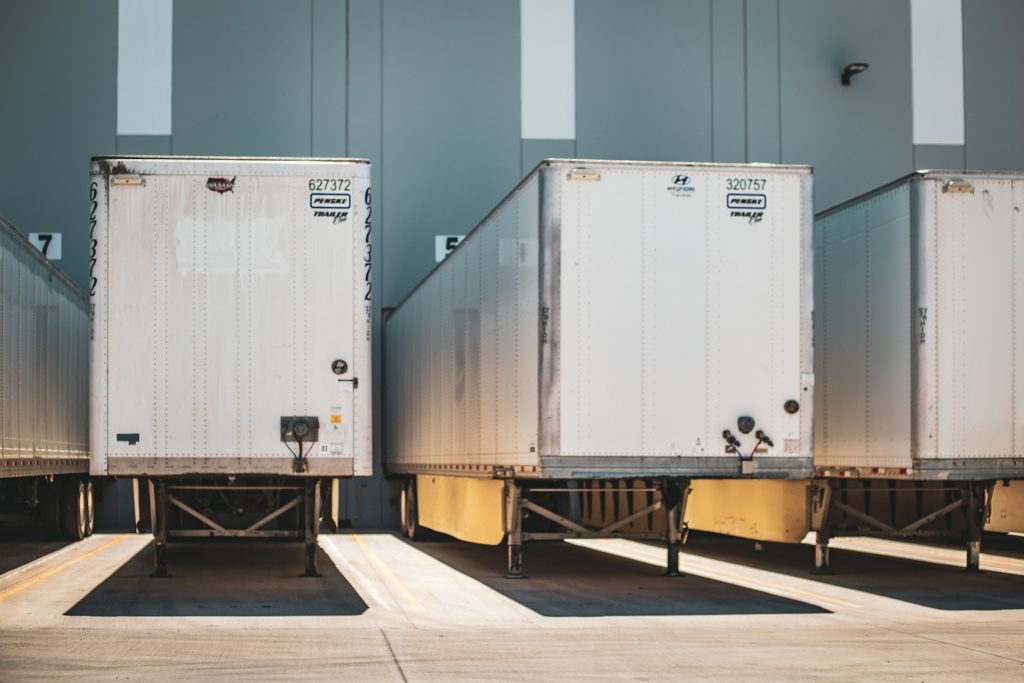
Boxed trailers are enclosed, which helps protect stock, event gear, or tools from wind and passing showers. They are good for retail deliveries, catering equipment, and items that should not get wet or dusty. Flat-deck trailers are open and suit bulky or odd-shaped loads like timber, building materials, or large structures.
When you think about what to hire, ask yourself:
- What do we move most often?
- How far do we usually travel with a load?
- Do we need to get into tight urban streets or busy loading bays?
A smaller, well-packed trailer can be easier to handle than a large one that is only half used.
Of course, the trailer is only half the story. The hire company you choose matters too. Beyond the contract wording, look at the state of the trailers themselves. Tyres should have good tread, lights should work, brakes should feel consistent, and there should be a usable spare wheel and jack. A clean, orderly trailer often reflects regular care.
Support also counts. Clear guidance on who to call if something happens on the road, what to do after hours, and simple loading tips can give your team more confidence. Local knowledge around Cape Town, like which routes are steep, which areas are very windy, or where roads can get slippery in spring showers, can make planning much easier.
At Trail & Go, we focus on well-maintained boxed and flat-deck trailers for a mix of household, leisure, and commercial transport needs. Being a family-run business in Cape Town, we care about keeping things practical, clear, and friendly for SMEs that depend on reliable commercial trailer hire in Cape Town.
Turn Your Next Trailer Hire Into a Low-Risk, High-Value Move
When you slow down and check compliance, insurance, and the fine print, trailer hire turns from a worry into a useful tool for your business. You protect your drivers, your goods, and your reputation, while still getting the flexibility you need for deliveries, projects, and those busy spring pushes.
Before you sign for your next trailer, walk through a simple mental checklist: is the trailer legal and roadworthy, do we understand the driver and load limits, is insurance for both trailer and goods clear, are the key contract clauses fair, and does the trailer type truly match our load and routes. With the right partner and the right questions, commercial trailer hire in Cape Town can support your business growth without unnecessary risk.
Keep Your Business Moving With Reliable Trailer Hire
If you are planning your next job and need dependable transport, we are ready to help at Trail & Go. Whether you require one-off or regular commercial trailer hire in Cape Town, we can match you with the right solution for your load and schedule. Get in touch with our team today to secure your trailer and keep your operations running smoothly.